Exploring Plant-Based Eating: Benefits and Tips

The rise of plant-based eating has transformed the way many people approach their diets. With a growing awareness of health, environmental sustainability, and ethical considerations, more individuals are choosing to incorporate plant-based foods into their meals. This blog post will explore the numerous benefits of plant-based eating and provide practical tips for those looking to make the transition.

Understanding Plant-Based Eating
Plant-based eating focuses primarily on foods derived from plants. This includes not only fruits and vegetables but also nuts, seeds, oils, whole grains, legumes, and beans. While some people may choose to eliminate animal products entirely, others may adopt a more flexible approach, incorporating small amounts of meat or dairy into their diets.
The Benefits of Plant-Based Eating
Health Improvements
Nutrient-Rich Diet: Plant-based foods are often high in essential nutrients, including vitamins, minerals, and antioxidants. These nutrients play a crucial role in maintaining overall health.
Weight Management: Studies have shown that individuals who follow a plant-based diet tend to have lower body mass indexes (BMIs) compared to those who consume meat-heavy diets. This can be attributed to the lower calorie density of plant foods.
Reduced Risk of Chronic Diseases: Research indicates that a plant-based diet can lower the risk of heart disease, diabetes, and certain cancers. The high fiber content in plant foods helps regulate blood sugar levels and improve heart health.
Environmental Impact
Lower Carbon Footprint: The production of plant-based foods generally requires fewer resources and generates less greenhouse gas emissions compared to animal agriculture. By choosing plant-based options, individuals can contribute to a more sustainable food system.
Conservation of Water and Land: Raising livestock requires significant amounts of water and land. Shifting towards plant-based diets can help conserve these vital resources.
Ethical Considerations
Animal Welfare: Many people choose plant-based diets to avoid contributing to the suffering of animals in factory farming. By reducing or eliminating animal products, individuals can align their eating habits with their ethical beliefs.
Tips for Transitioning to a Plant-Based Diet
Making the switch to a plant-based diet can seem daunting, but with the right approach, it can be a rewarding experience. Here are some practical tips to help ease the transition:
Start Slow
Gradual Changes: Instead of overhauling your entire diet overnight, start by incorporating more plant-based meals into your week. Aim for a few meatless days each week and gradually increase the number.
Explore Meat Alternatives: Try plant-based substitutes for your favorite meat dishes. Products like lentil burgers, chickpea salads, and tofu stir-fries can satisfy cravings while providing essential nutrients.
Focus on Whole Foods
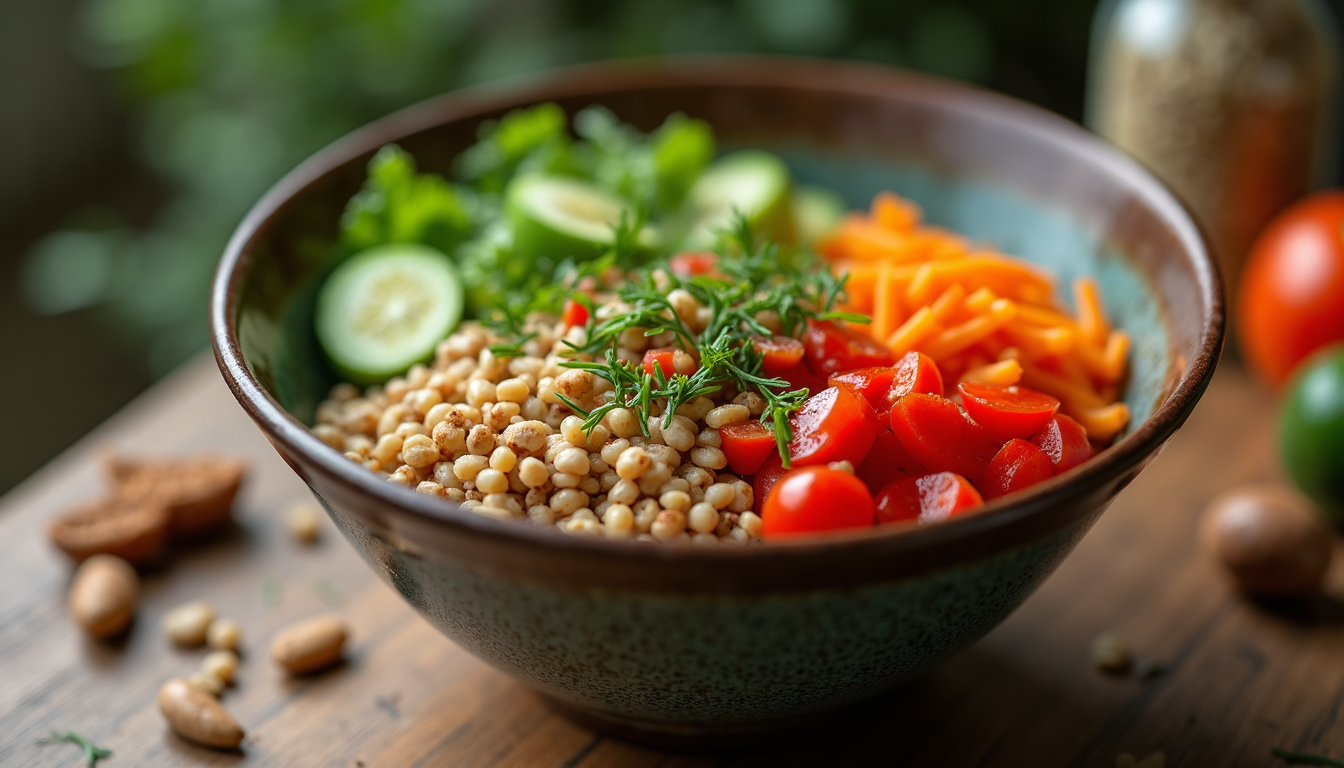
Prioritize Whole Grains: Incorporate whole grains like quinoa, brown rice, and oats into your meals. These foods are not only filling but also provide essential nutrients.
Load Up on Vegetables: Aim to fill half your plate with a variety of colorful vegetables. This ensures you’re getting a wide range of vitamins and minerals.
Experiment with New Recipes
Discover New Flavors: Explore different cuisines that emphasize plant-based ingredients. Indian, Mediterranean, and Asian dishes often feature a variety of vegetables, legumes, and grains.
Join Cooking Classes: Consider taking a cooking class focused on plant-based meals. This can be a fun way to learn new techniques and recipes while meeting like-minded individuals.
Plan Your Meals
Meal Prep: Set aside time each week to plan and prepare your meals. This can help you avoid the temptation of convenience foods that may not align with your dietary goals.
Create a Balanced Plate: Ensure your meals include a source of protein (like beans or lentils), healthy fats (such as avocado or nuts), and plenty of vegetables.
Stay Informed
Read Labels: When purchasing packaged foods, familiarize yourself with ingredient lists. Look for products that are minimally processed and free from artificial additives.
Follow Plant-Based Influencers: Engage with online communities and follow influencers who share plant-based recipes and tips. This can provide inspiration and support as you navigate your new diet.
Overcoming Common Challenges
Transitioning to a plant-based diet can come with its own set of challenges. Here are some common hurdles and how to overcome them:
Social Situations
Dining Out: When eating at restaurants, check the menu in advance for plant-based options. Don’t hesitate to ask the staff about modifications to existing dishes.
Family Gatherings: Communicate your dietary preferences with family and friends ahead of time. Offer to bring a dish that you can enjoy, ensuring there’s something for you at the table.
Nutritional Concerns
Protein Intake: Many people worry about getting enough protein on a plant-based diet. Incorporate a variety of protein sources, such as legumes, nuts, seeds, and whole grains, to meet your needs.
Vitamin B12: This vitamin is primarily found in animal products, so consider fortified foods or supplements if you’re eliminating animal products entirely.
Cravings and Temptations
Mindful Eating: Pay attention to your cravings and find plant-based alternatives that satisfy them. For example, if you crave cheese, try nutritional yeast or cashew cheese.
Stay Hydrated: Sometimes, cravings can be mistaken for thirst. Ensure you’re drinking enough water throughout the day.
Conclusion
Adopting a plant-based diet can lead to numerous health benefits, a reduced environmental impact, and a more ethical approach to eating. By starting slow, focusing on whole foods, and staying informed, you can make the transition smoothly. Remember, every small change counts, and the journey towards plant-based eating can be both enjoyable and fulfilling.
As you explore this lifestyle, consider sharing your experiences with others. Whether through social media or community groups, connecting with fellow plant-based eaters can provide motivation and support. Embrace the journey, and enjoy the delicious world of plant-based eating!

Comments